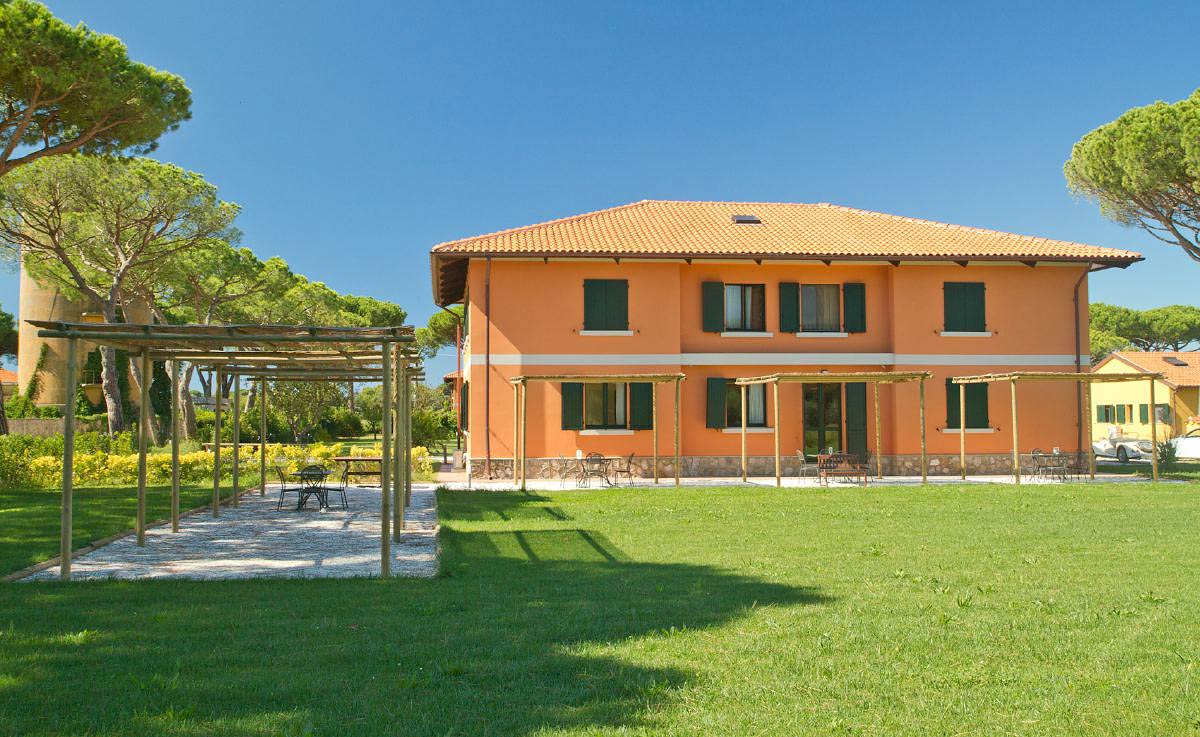
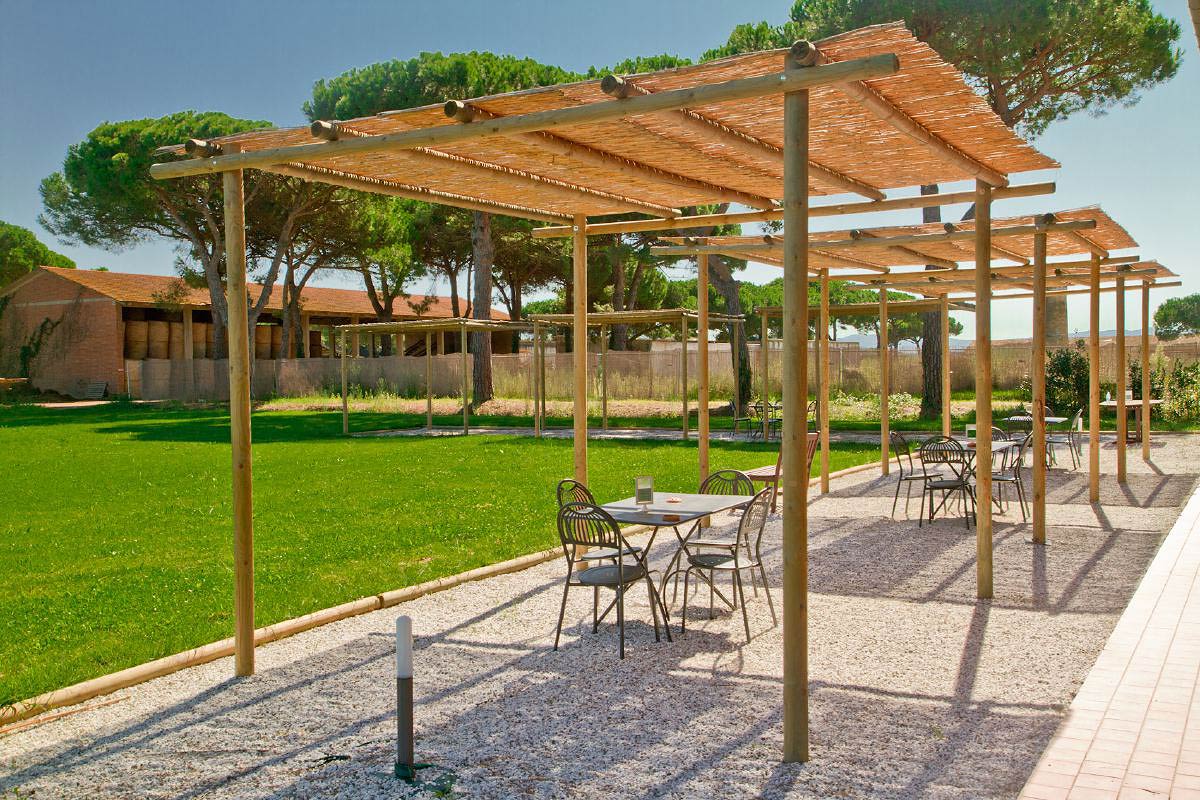
La campagna Toscana a due passi dal mare
Che desideriate rilassarvi o visitare la nostra regione, l’azienda agricola Fattoria di Tirrenia, famosa in passato anche per la produzione del latte, è la meta ed il punto di partenza ideale per le vostre vacanze.
La natura, con due oasi WWF (la riserva integrale della Cornacchiaia e l’oasi delle Dune) e il Parco Naturale San Rossore Migliarino Massaciuccoli è la protagonista.
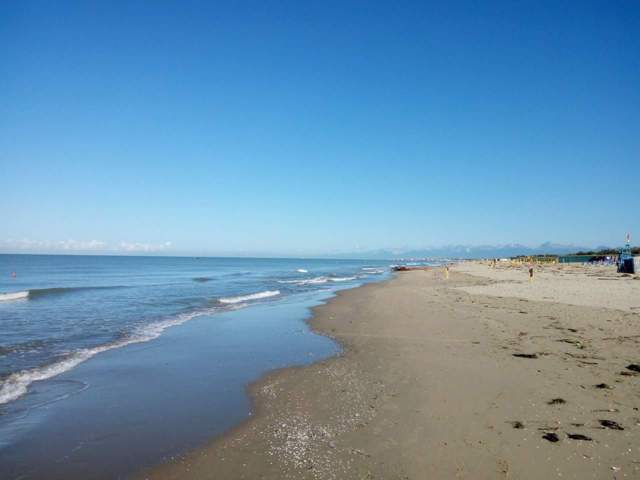
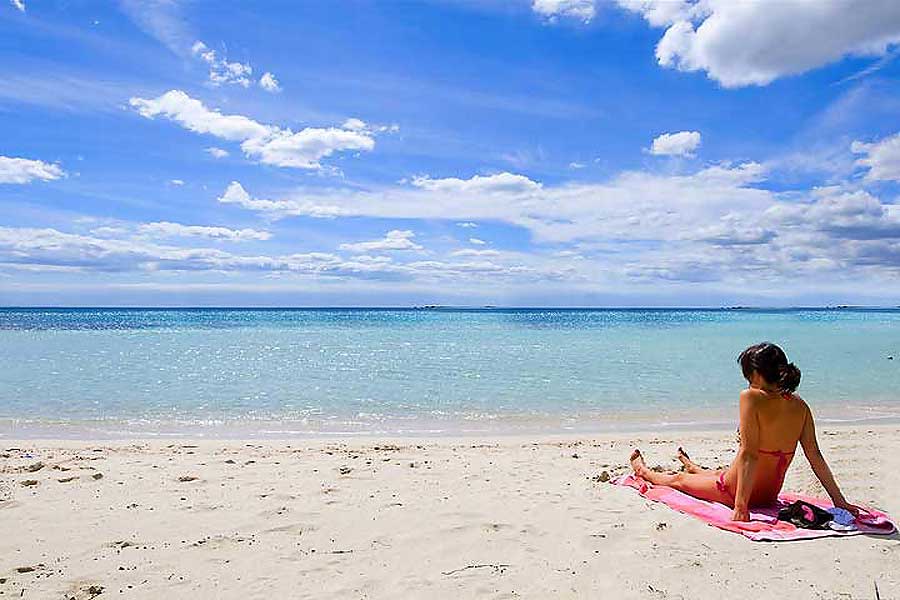
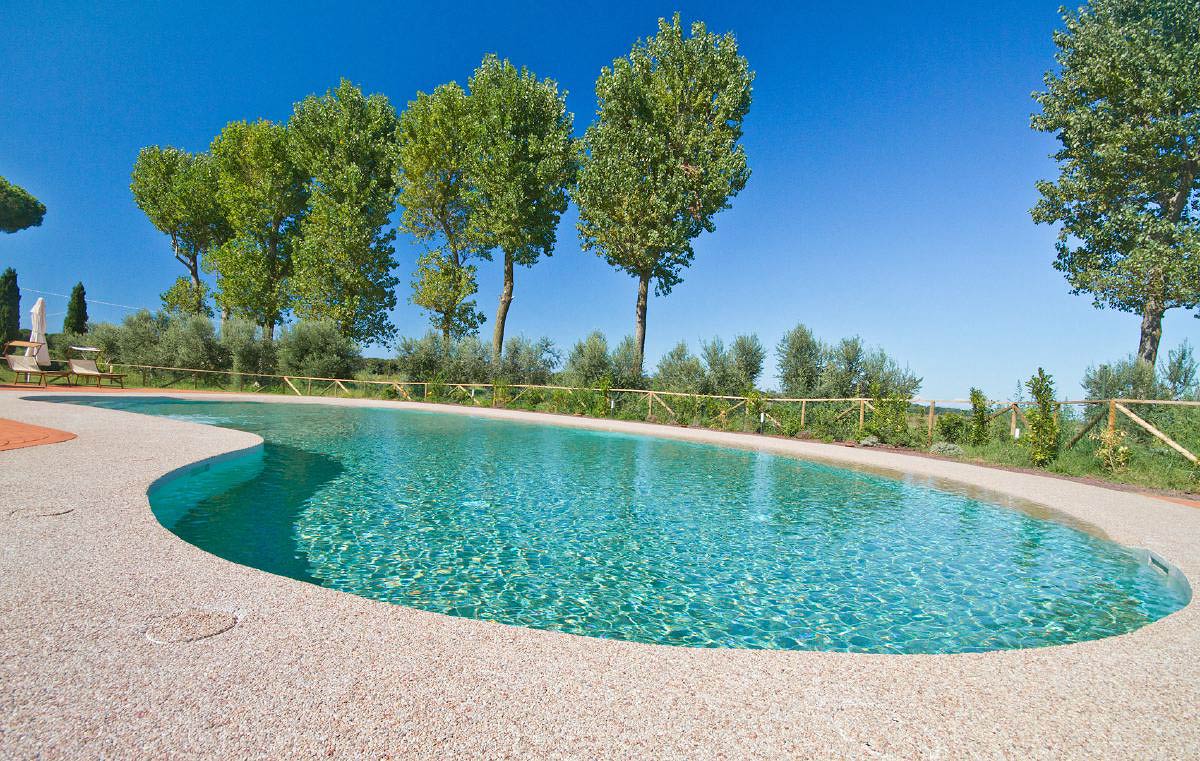
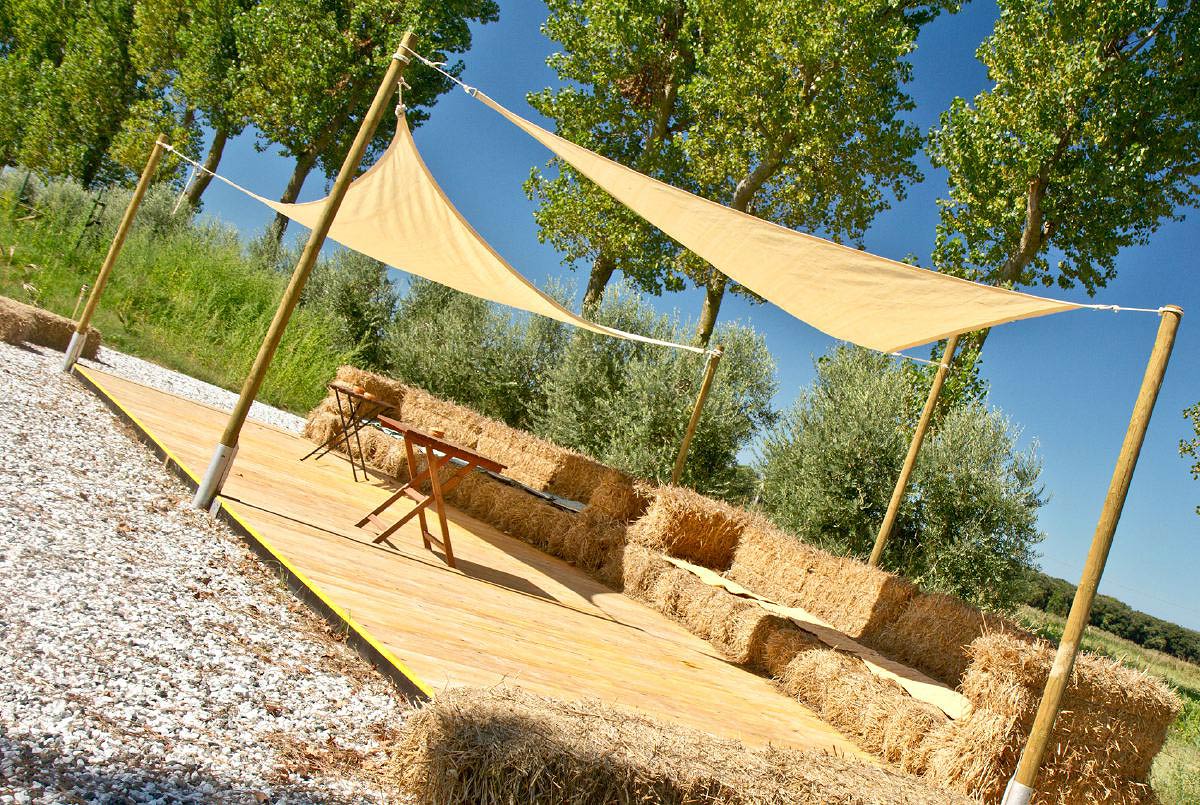
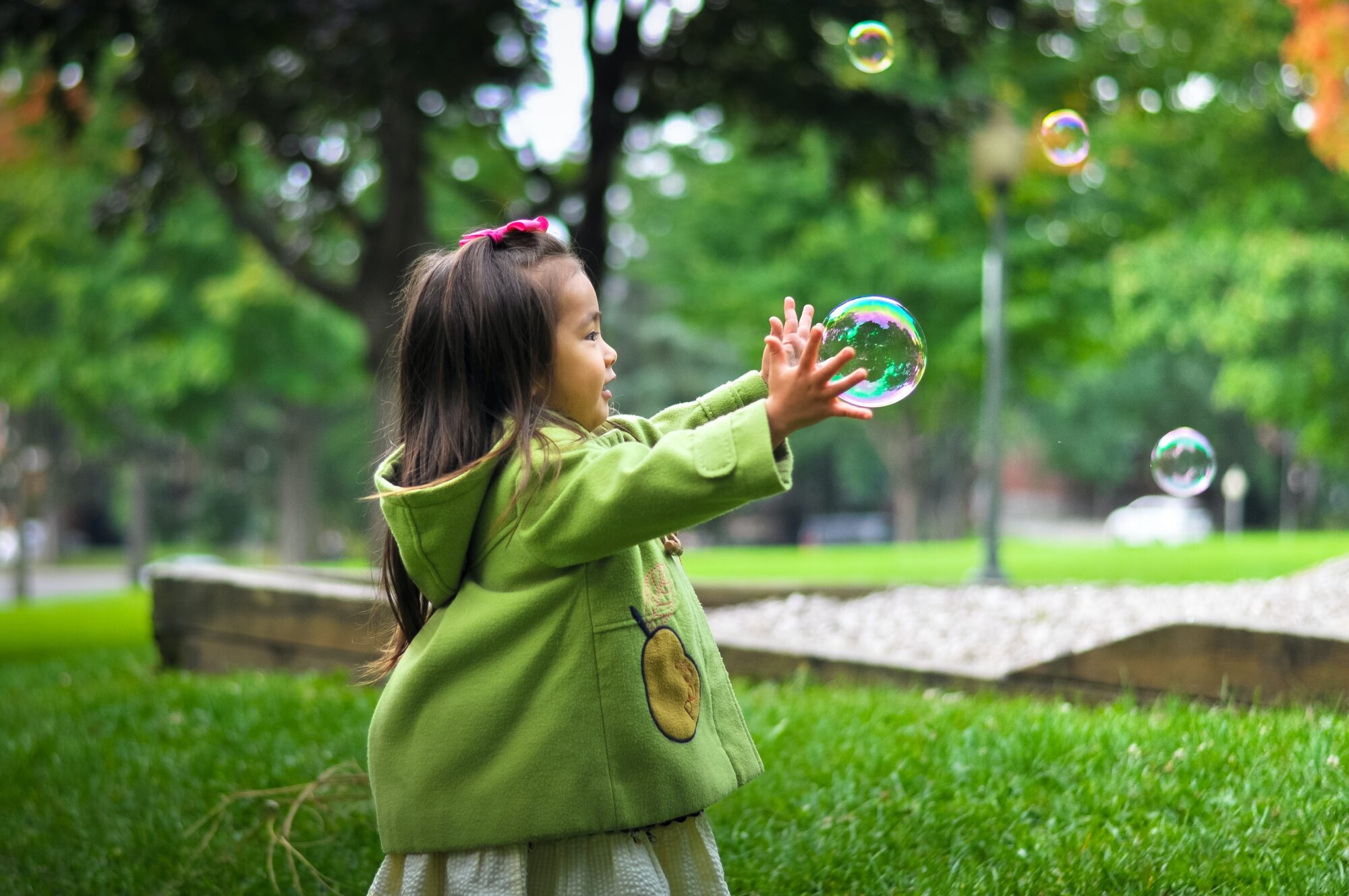
20.000 mq. di prati a disposizione dei clienti all’interno di un Parco Nazionale, piscina con idromassaggio in pietra naturale, totale libertà per i bambini in piena sicurezza, sport e fitness all’aria aperta, spiaggie di sabbia a pochi minuti dall’Agriturismo, e ancora cene barbecue, wine tasting e i nostri simpatici incontri di calcio amatoriali su campo in erba…Vi aspettiamo!

La Toscana che non ti aspetti
“…Una lunga striscia di pineta incontaminata, un arenile, un fortino chiamato Mezza Piaggia uniscono, sul mare, Pisa e Livorno. Gli unici, sporadici, abitanti erano cacciatori e pescatori, per il resto è silenzio…..”
È in questo contesto che, come contrappunto alla mondanità del litorale ed al rigore architettonico delle edificazioni, si estende l’ampia tenuta agricola denominata fin dagli albori come “La Fattoria di Tirrenia” dall’ omonimo nome della località di Tirrenia posta sul litorale pisano.
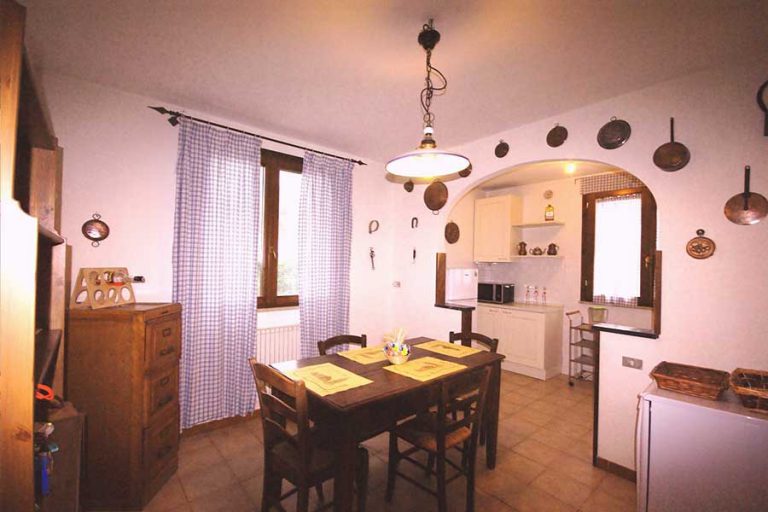
Appartamenti
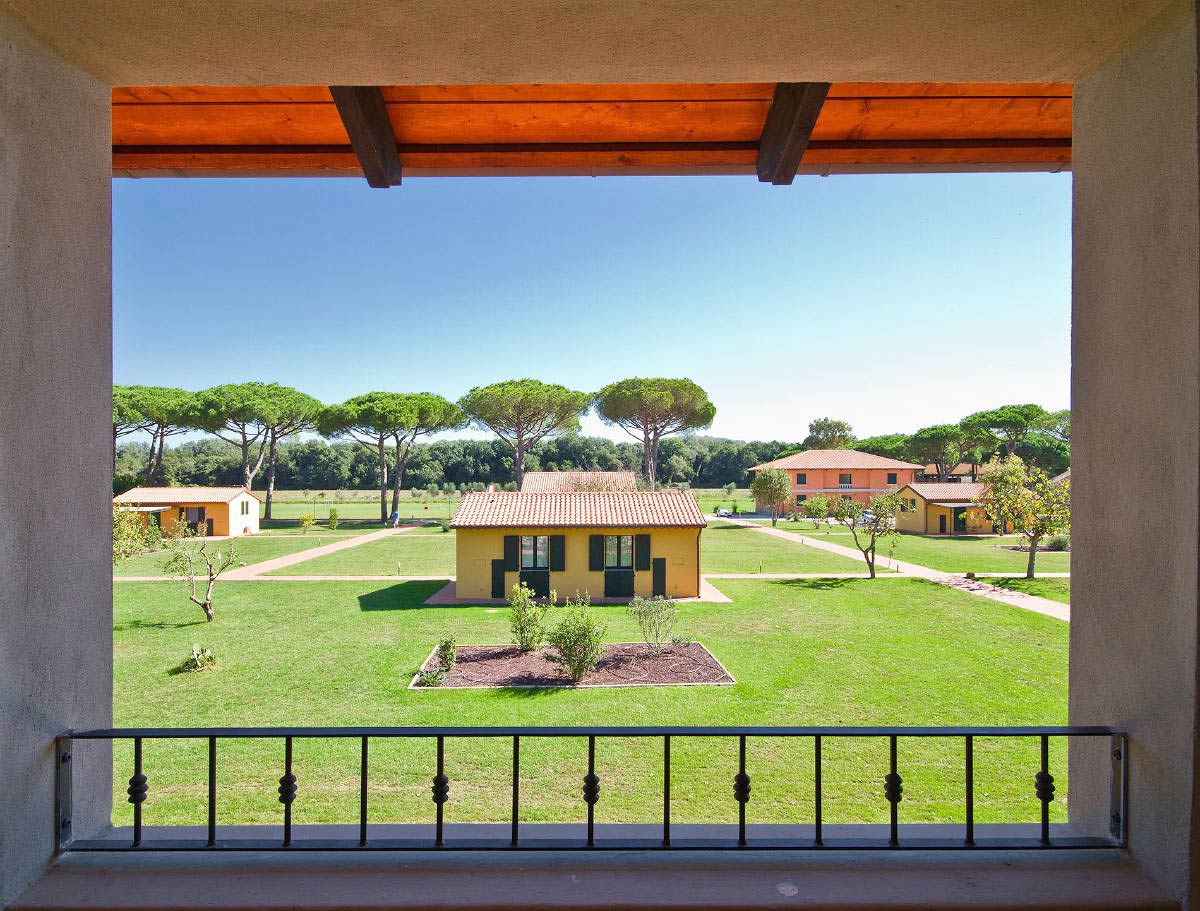
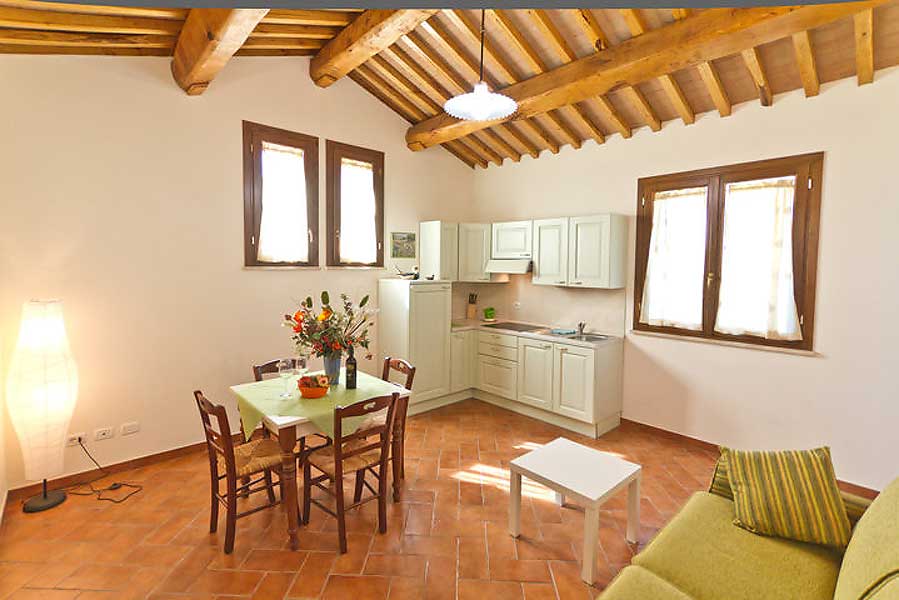
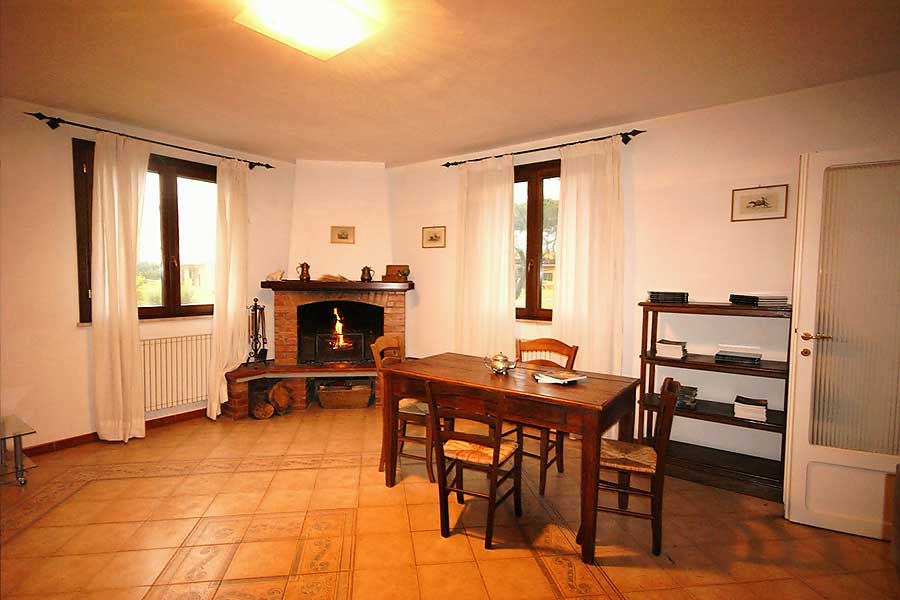
Comode, spaziose e dotate di ogni confort, potrete scegliere tra numerose soluzioni tra cascine e casottini per il vostro soggiorno in Toscana.
Esperienze
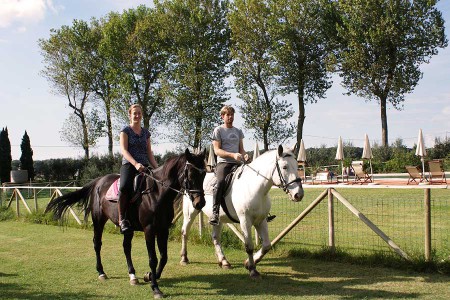
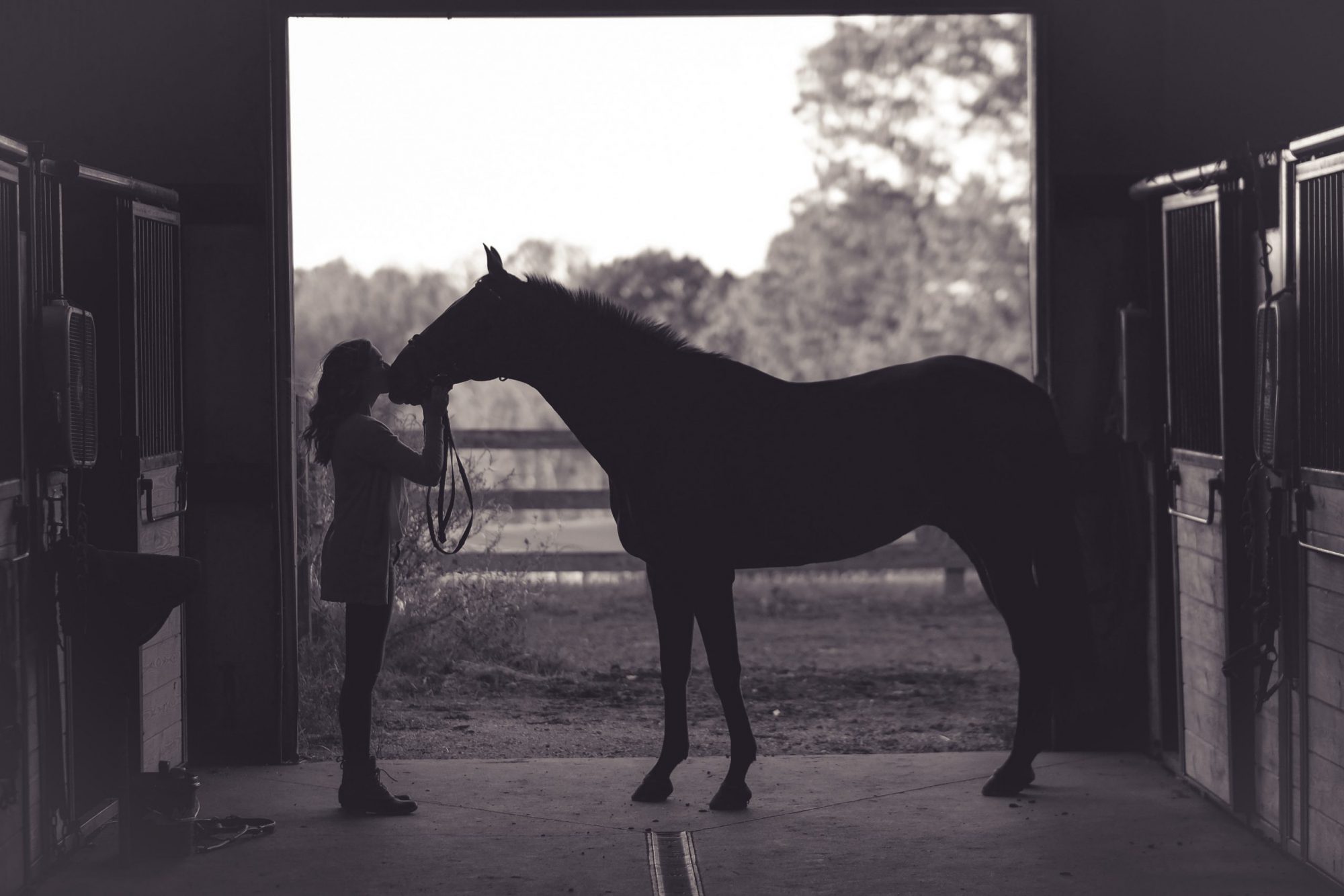
La Fattoria di Tirrenia collocata nel territorio del Parco Naturale San Rossore è la meta ideale per l’ecoturismo. Gli amanti della natura e degli sport hanno varie opzioni come percorsi nei boschi da praticare a piedi o in bicicletta. Di fronte alla Fattoria l’accesso gratuito alle spiagge con le caratteristiche dune di sabbia. Jogging, calcetto e palestra anche a piedi nudi sull’erba del nostro campo sportivo. L’equitazione per grandi e piccoli.
Cibo e Sapori
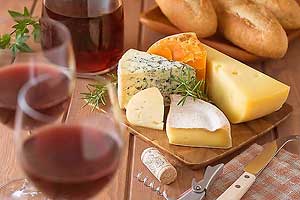
Agriturismo e cucina della tradizione sono un binomio inscindibile.
Ti aspettiamo al nostro “Le Mucchine Bistrò” per degustare i piatti tipici abbinati ai rinomati vini del territorio. La griglia con la sua immancabile bistecca alla Fiorentina, il caciucco alla Livornese, le pappardelle al sugo di cinghiale sono solo alcuni dei piatti toscani da sperimentare.
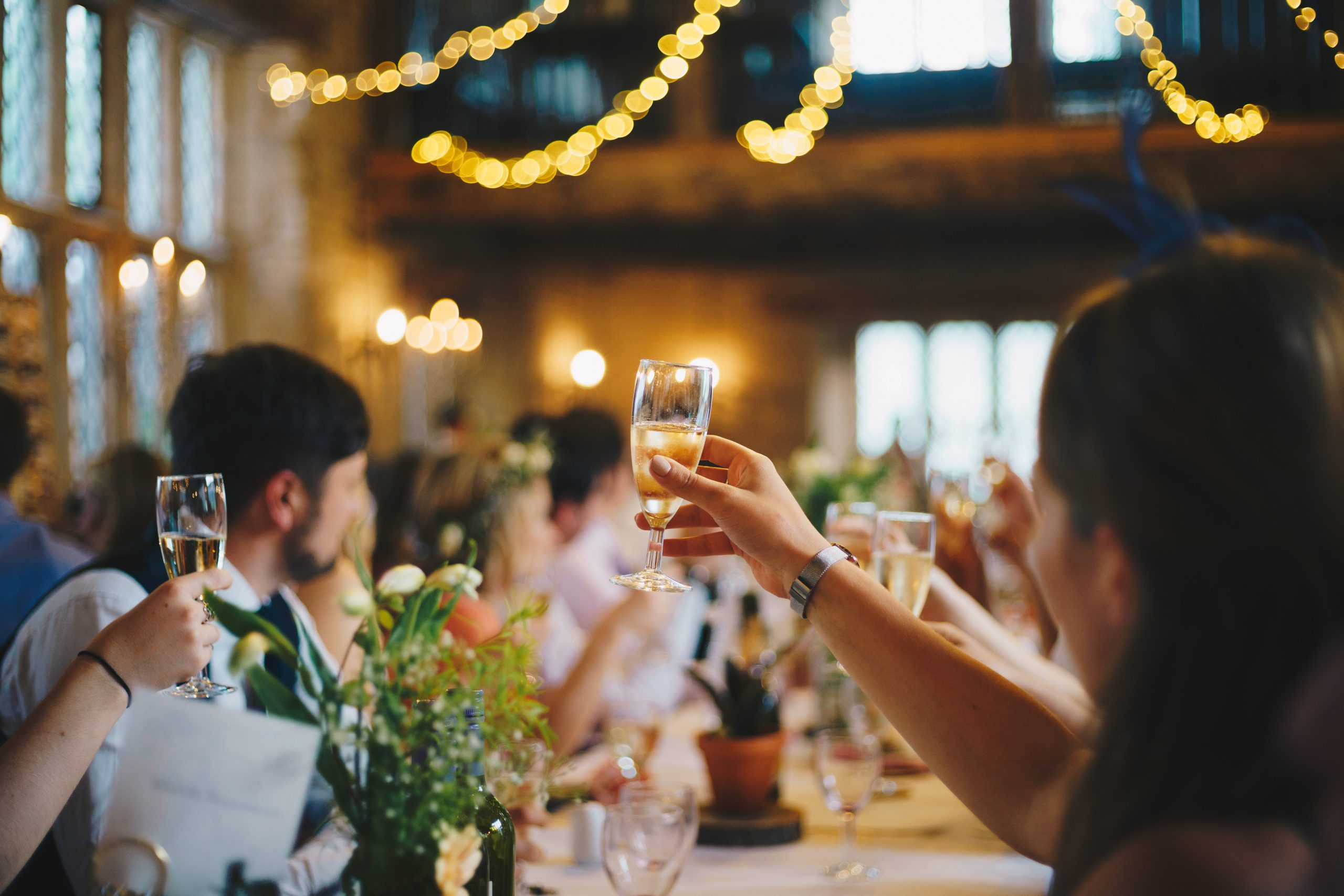
Eventi